raw materials
18K ETHICAL GOLD ONLY
"My Golden Age jewels are crafted in 18k gold sourced from RJC (Responsible Jewellery Council) certified foundries"
Making conscious ethical and environmental choices is our top priority. The Responsible Jewellery Council is a not-for-profit organization that aims to promote responsibe, ethical, environmental standards and practices while respecting human rights throughout the whole supply chain of the goldsmith industry, from mining to retail.
THE COLORS OF GOLD
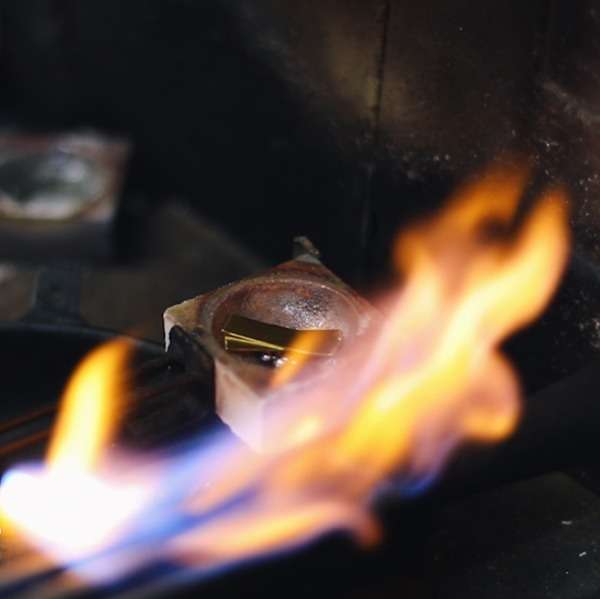
When I create the alloys to combine with pure gold (24k) to make it workable (18k), I have the chance to “play” with the amounts of various elements, thus creating unique, peculiar hues.
This to me is not only a way to stand out from the aesthetics of mass-produced jewels; it’s also an opportunity to pay homage to my city and its master goldsmiths, starting with Pietro Sforza, who experimented with shades and techniques that are now famous all over the world.
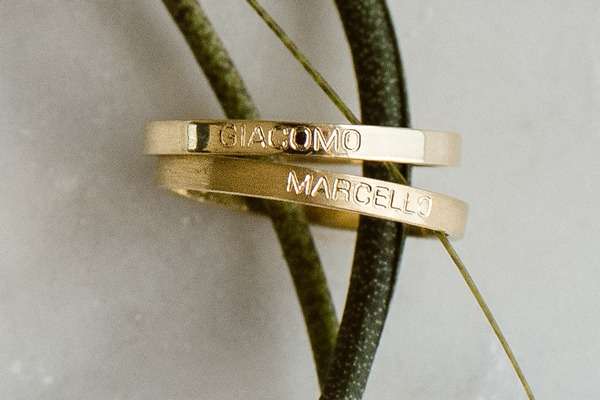
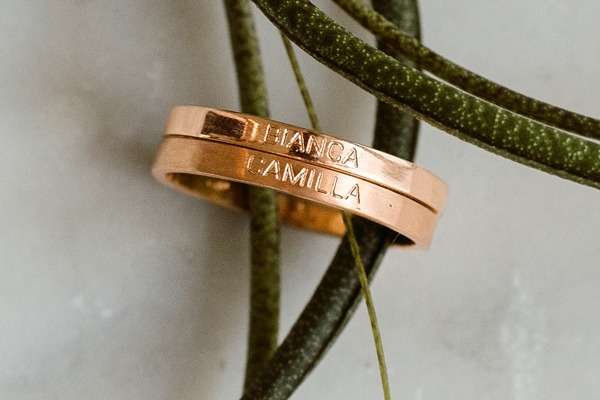
GREEN GOLD is a pale yellow that is crafted using a larger proportion of silver over copper in the alloy that is combined with pure gold. The pinkish coloring of RED GOLD, vice-versa, is obtained by increasing the percentage of copper over silver.
Green gold best accentuates worked surfaces; red gold has a strong allure and the charm of the past.
Both colors glorify the uniqueness of handcrafted creations and carry the beauty of an ancient know-how.
That’s what makes them so special to me.
GREEN
pale yellow
RED
copper
WHITE
Grey
recycled gold
yellow gold
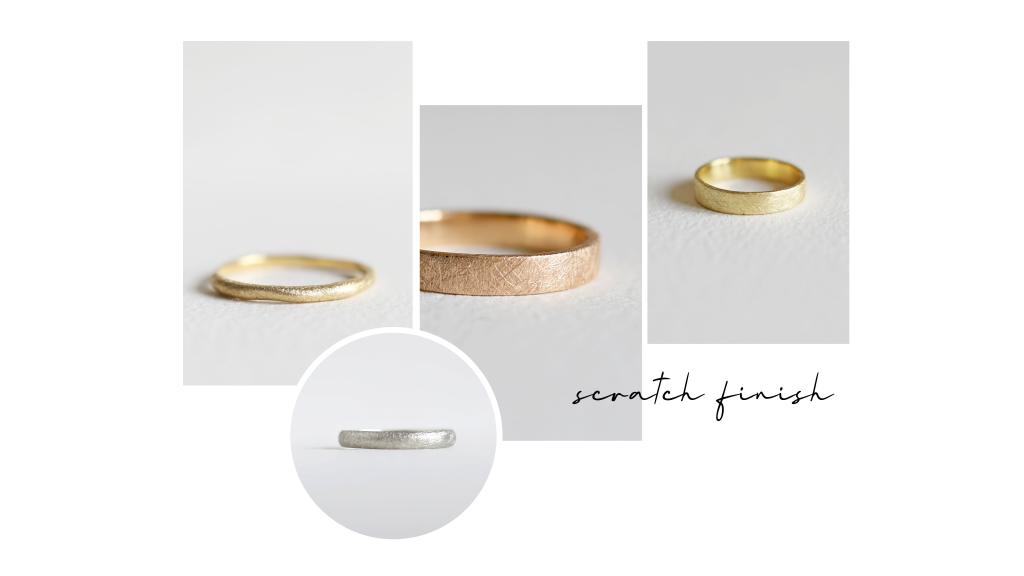
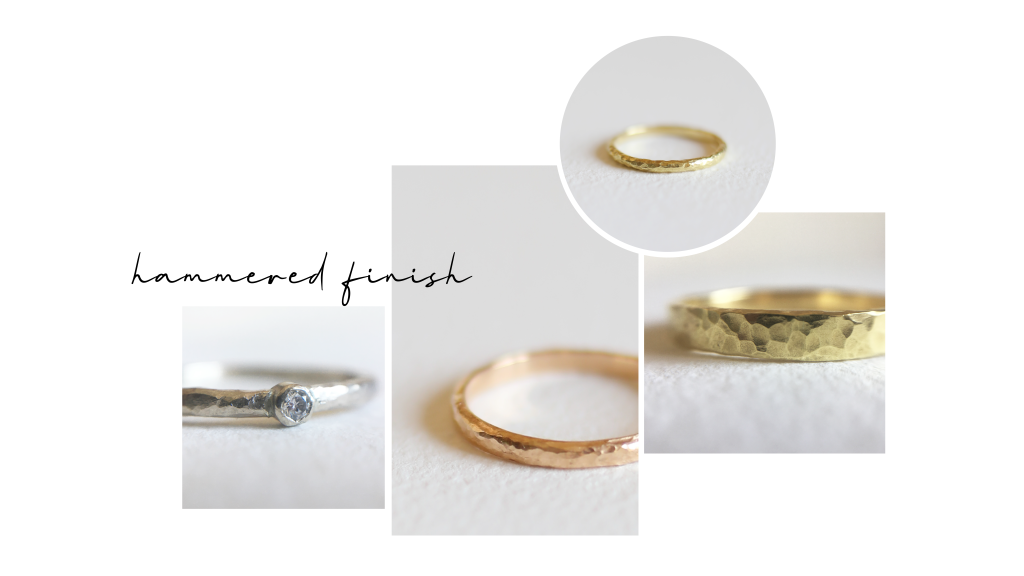
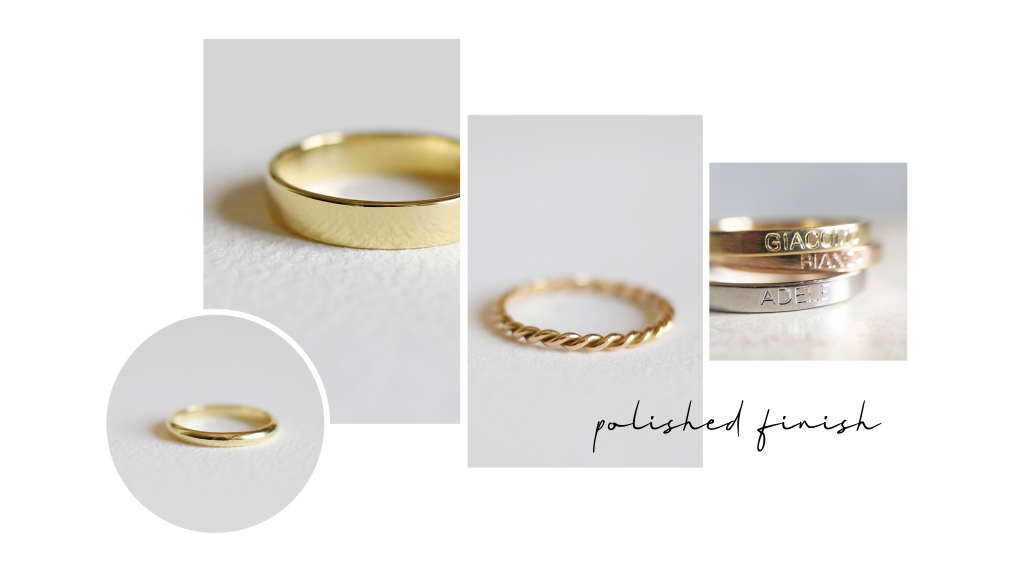
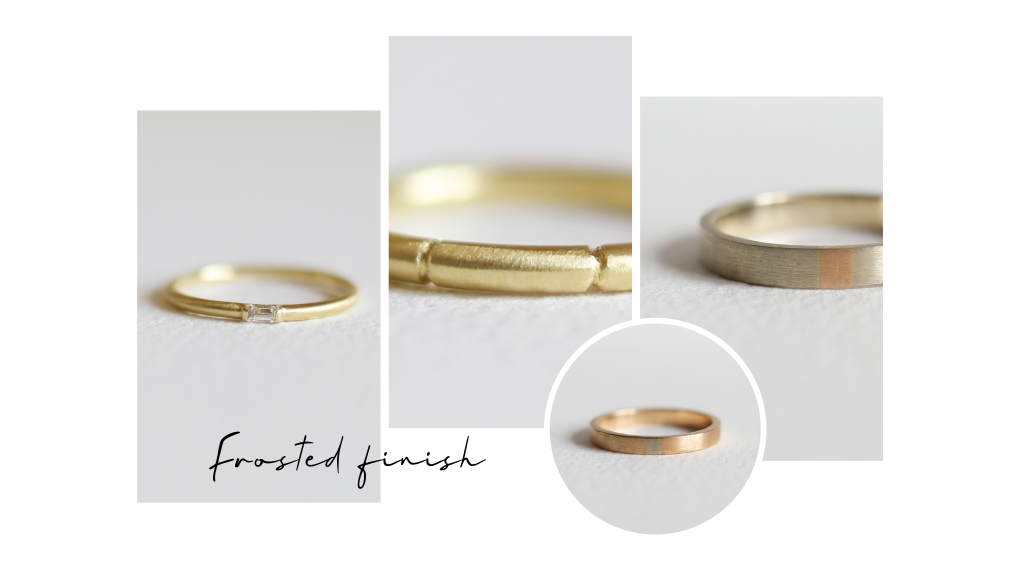
THE FINISHES
OUR STONES
In my creations, I only use natural precious and semiprecious stones. Their colors must be authentic, not necessarily perfect, but authentic. Some stones appeal to me for their intense, absolute hues. Others, for the subtle quality of their shades.
I love their imperfections, the irregular sides on rose cuts, the inclusions typical of tourmalines, the fascinating shades of sapphires… Each distinctive feature tells a story and highlights its uniqueness.
our diamonds
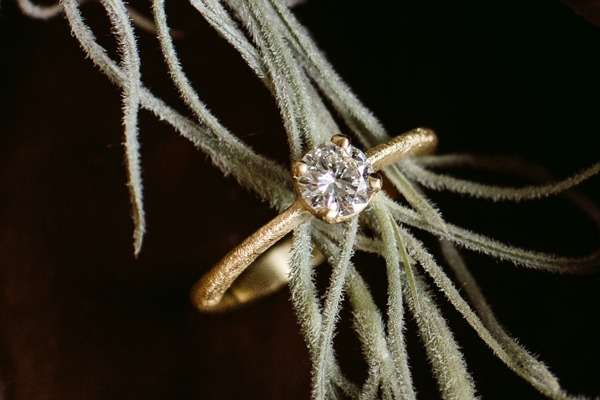
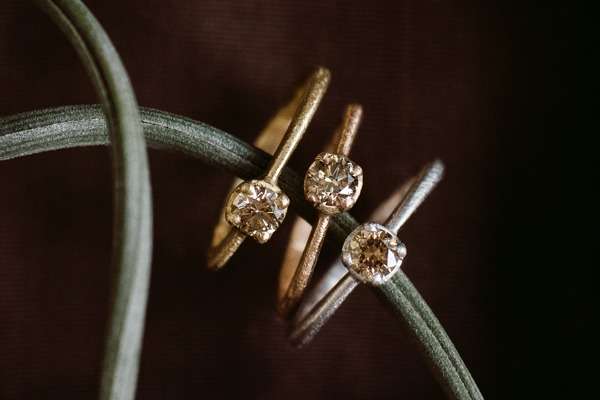
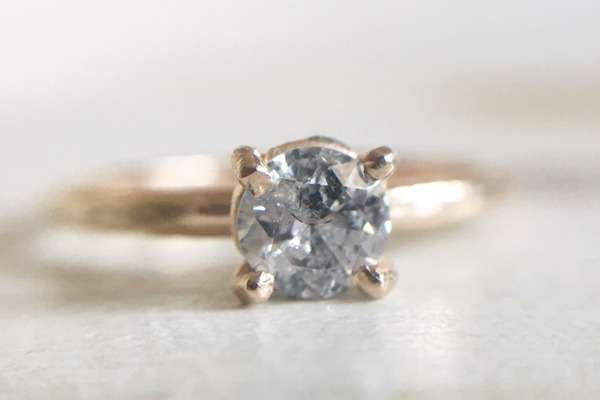
From the purest, shiniest cuts to the most irregular and imperfect ones; from crystal-clear to total black, via champagne hues: the world of diamonds, while often associated with stereotypes and monotony, actually conceals a wide range of beautiful solutions that fit all kinds of different styles.
In our workshop, we love to bring out the best of them all!
diamonds
black diamonds
brown diamonds
salt and pepper diamonds
only conflict-free diamonds
Each cut diamond is assessed based on the following characteristics:
Weight (carat),
Purity (clarity),
Color (color)
and quality of the cut (cut)
The more the stone meets these criteria, the more its price will increase (sometimes exponentially).
If you are looking to purchase a diamond as an investment, my advice is to pay close attention to the four C’s.
MY ADVICE
our colored gemstones
When it comes to stones, especially colored ones, I follow my heart instead of my head. It doesn’t matter how in-demand or well-known they are; if I can picture them in their setting, and if that image captivates me, they come right into the workshop.
Often I only have one or two of each stone, which is why many of my creations are one of a kind and can be customized by choosing the most similar stone among the selection of colors, shapes, and shades that are available.
Within the wide range of existing colors, certain hues are must-haves in our workshop because they are so close to our world: all shades of green and pink in its subtler pastel hues.
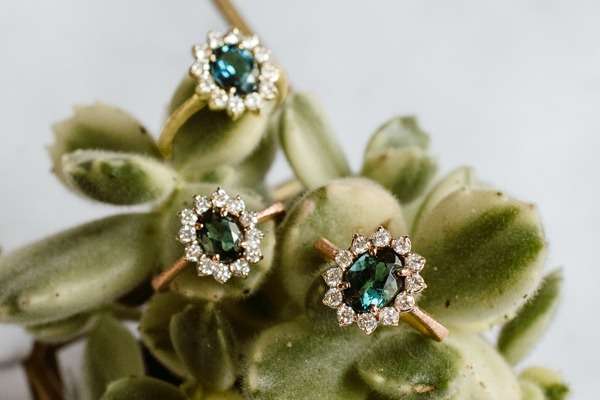
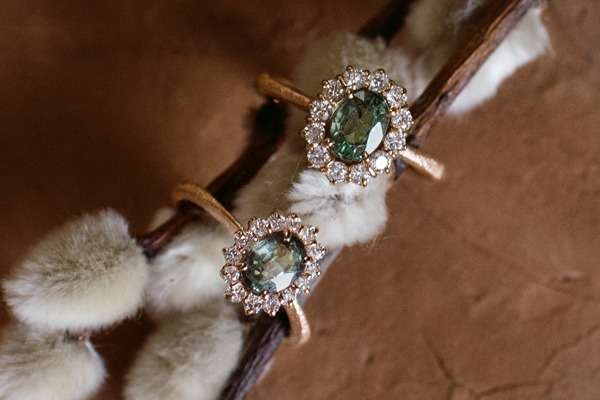
INDICOLITE
GREEN SAPPHIRE
MORGANITE
A variety of beryl, where the traces of manganese give the stone charming shades of pink, magnolia, and peach.
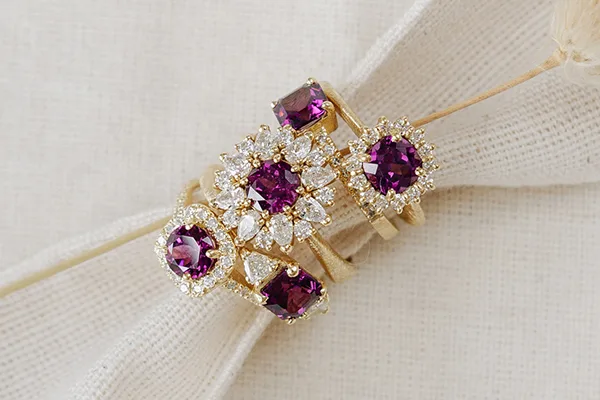
GRANATO ROYAL PURPLE
Particular Rodolite with an incredible chromatic variety that goes from the most intense violet to brilliant shades cyclamen.
INDICOLITE
GREEN SAPPHIRE
MORGANITE
A variety of beryl, where the traces of manganese give the stone charming shades of pink, magnolia, and peach.
FUN FACTS FROM THE WORKSHOP
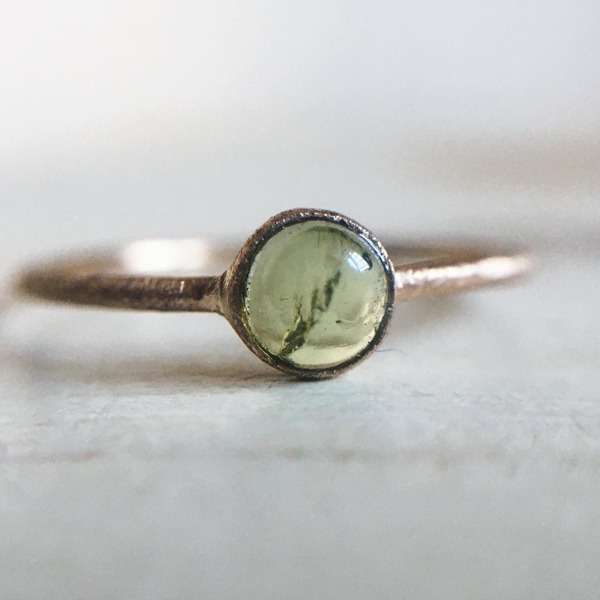
tourmaline
I’ve always had a soft spot for tourmalines. And when I tried to explain this to myself, I realized that, quite ironically, the details I find compelling in these stones go exactly against the ground rules for those who work in the industry… They are often “imperfect” and have countless shades of color, which makes them non-conforming and very distant from the idea of perfection and beauty we have been used to. The imperfection is actually the most distinctive mark of the natural and true quality of the stone. It’s like a small tattoo that tells its story, an image that appears different to us depending on our point of view. Its uniqueness.
double briolette cut
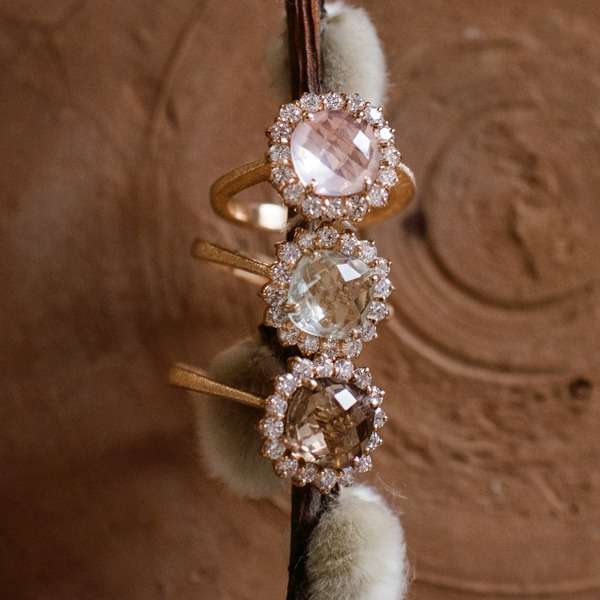
When I first started making halo rings, combining semiprecious stones and diamonds, my main purpose was to appose the elegance of a classic ring, in its timeless beauty, to new shades of color. For the first two models, I instinctively chose the hues that felt closest to our world: aquamarine and antique rose. A nod to nature, and a nod to the past. This intuition proved to be successful from several points of view. In next to no time, our halo rings with prasiolite and rose quartz became precious little stars, so much so that I decided to create other versions of them, based on other color palettes or on lighter, more modern fits.
orange sapphire
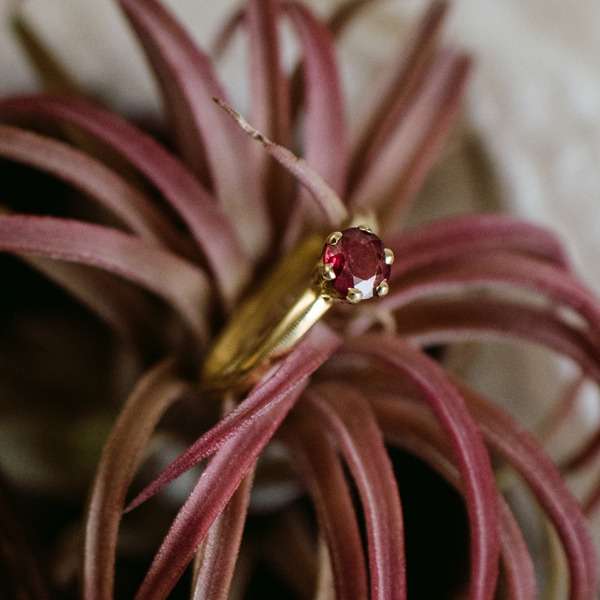
Sapphires and rubies come from the same mineral, corundum. Ruby is the most noble variety of corundum and stands out for its deep red color, which is identified by a specific color spectrum. This is the rule, but then there are exceptions… like the orange sapphire in the picture, that is so close to a bright red that only the tiniest difference in color prevents it from being ennobled to a ruby. It’s beautiful, but it’s not enough. Sounds like a joke! Needless to say, I was so captivated by it that I decided to mount it on a tall, prominent setting. A regal ring for a stone that is (to me) extremely noble.